Her Story
I did not grow up looking for another world.
I grew up trying to understand the one that kept finding me.
Anna’s notebook · Memories from childhood
Before the names, before the drawings, there was a small girl at the edge of a field.
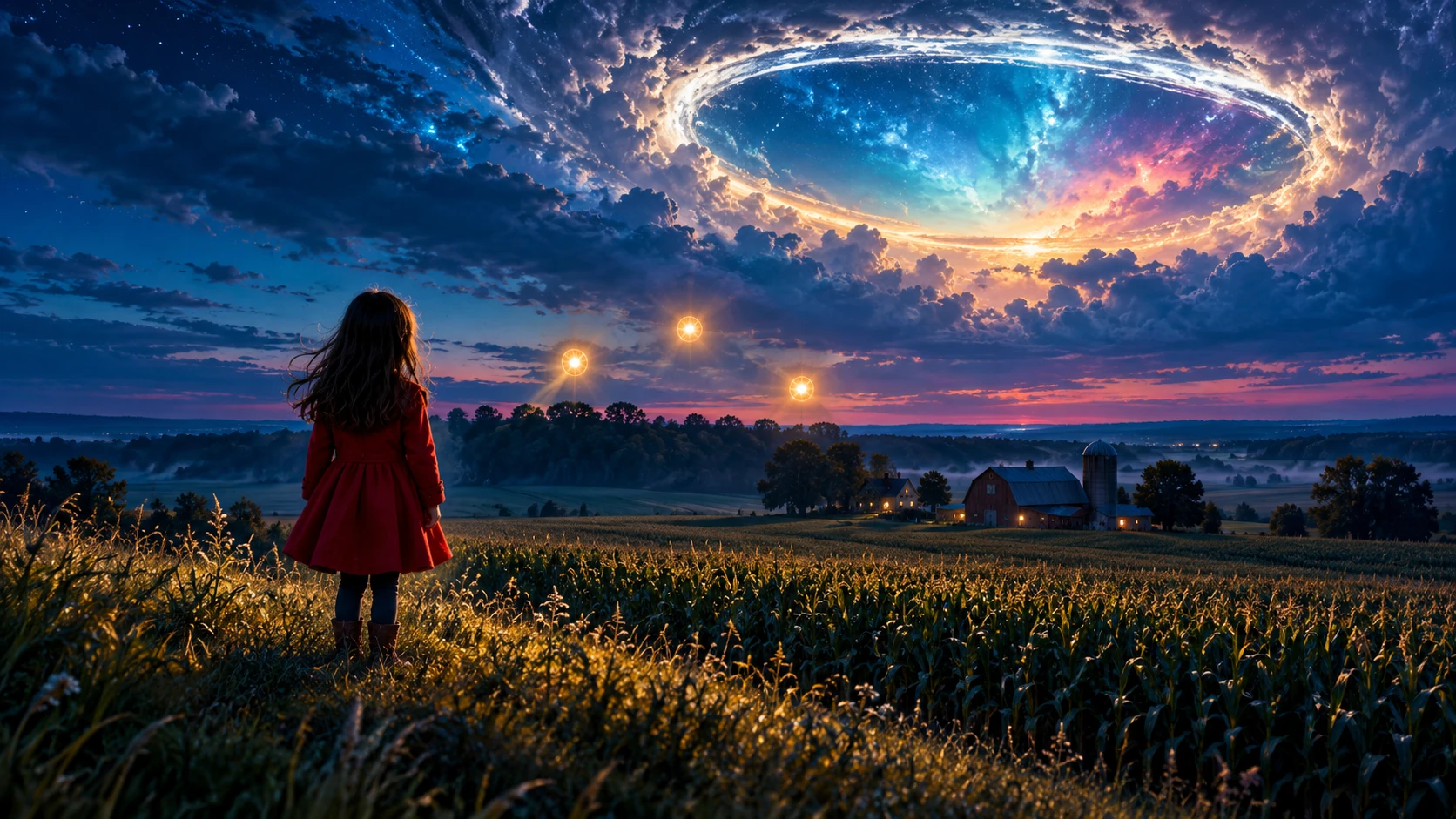
Before there were names
My name is Anna. I am twenty-three, and there is a part of my childhood I have spent more time trying to explain away than trying to remember. It begins with a field behind our house, three uneven lights, and the feeling that someone was concerned about my cold hands. At six, I did not call it contact. I called it the evening the moon came down.
I grew up in a place where distance was measured in fields and the night was interrupted by trucks on the county road. My life was ordinary enough to give the strange things somewhere to hide. There was school, a bicycle I kept outgrowing, winter coats that smelled of the cupboard. The memories did not replace any of that. They lived beside it, awkward and persistent.
For a long time I told only the least complicated part. I had seen lights. People can leave a child room for lights. They have more difficulty with the feeling of being recognized by someone you cannot remember meeting. I learned this without anyone being cruel. A concerned expression was enough to make me shorten the account. Eventually I stopped telling it.
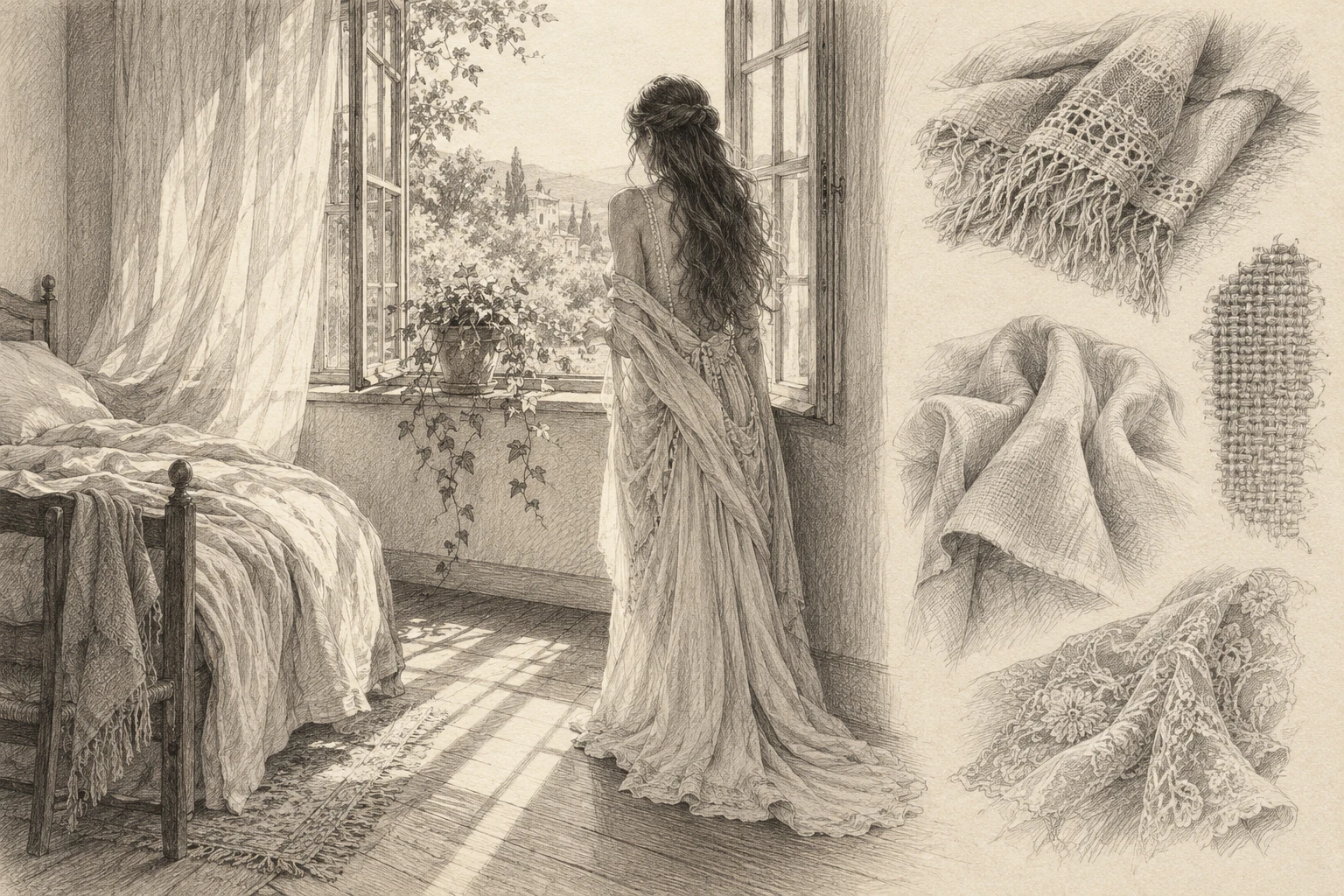
The drawings started first
The first drawings were not impressive. I made rings, tall windows, a woman whose hair I could not get right. My school books filled with the same curves. I was less interested in whether they looked beautiful than whether they relieved the pressure of keeping an image inside my head. Sometimes they did. Sometimes the drawing made the missing details feel more obvious.
I began dating the pages because a teacher suggested that I keep my work in order. It became a habit. Years later those dates were the only thing that prevented me from rearranging everything into a story that was too neat. The drawings show how confused I was. A place appears before the person I associate with it. A face changes. A shape I later considered important disappears for months.
I keep those inconsistencies. They are part of what it means to be the person doing the remembering. I would love to hand you a perfect record. Instead I have a box of exercise books, some excellent pencil studies, some awful ones, and several pages where I was much more interested in a horse than in anything extraterrestrial.
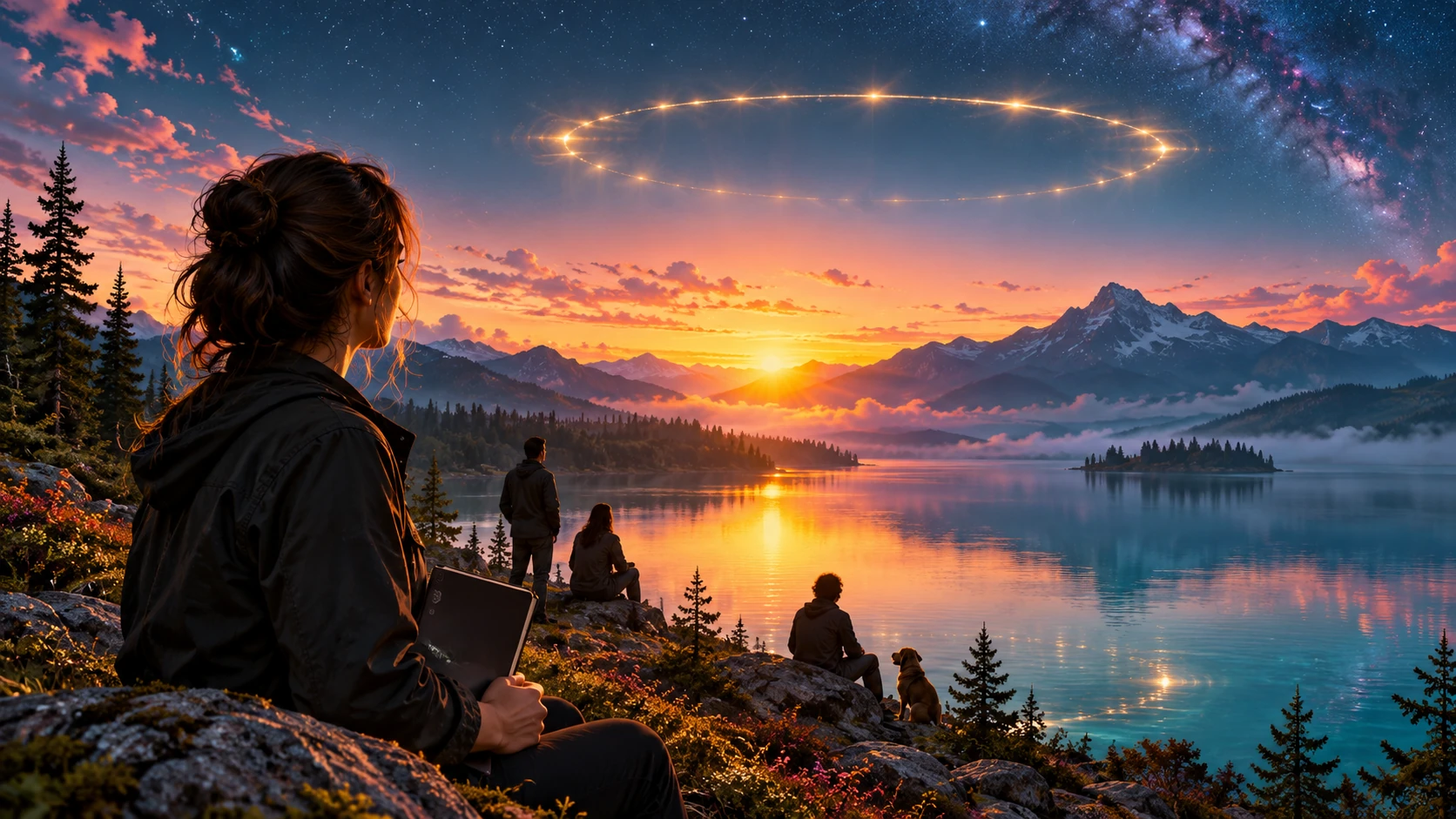
Learning how to doubt
Adolescence made everything harder to say. I already felt conspicuous enough without adding visitors to the list. I read about dreams, memory, astronomy, and the ways a mind can generate a convincing presence. Some explanations helped. Others seemed to answer a different question from the one I was asking. I found that uncertainty could be useful if I did not mistake it for a failure.
By then I was drawing more carefully. I studied hands because I kept remembering them: a long finger resting against a window frame, two palms held apart, light moving in the space between. I learned proportion and shading from ordinary people who had no reason to know why these particular studies mattered to me. The technical work gave me a way to stay grounded.
I made a rule for the notebooks: write what I remember before writing what I think it means. I break that rule often enough to know why it matters. Interpretation is faster than memory and usually more flattering. The page needs room for both, but they should not be allowed to impersonate each other.

The woman beside the window
The first encounter I could describe as an adult began in my bedroom during rain. A tall pale-haired woman stood near the window. Before she offered an explanation, she moved away from the door because she understood that I was frightened. That remains the detail I return to. Whatever her origin, the person I remember was paying attention to whether I had a choice.
Sael is the spelling I use for her name. She became a recurring presence, followed by Ilyr and Neris, who were so different from her that I had to stop treating every encounter as part of the same answer. I began visiting places I could barely translate into pencil: a city beyond a cloud belt, a garden with several kinds of afternoon, a council arranged around an open center.
These experiences did not make ordinary life disappear. I still had appointments to remember and friendships to take care of. I was not handed a complete cosmology. I was left with impressions, difficult conversations, and a growing wish to preserve the small human details before the spectacular ones overwhelmed them.
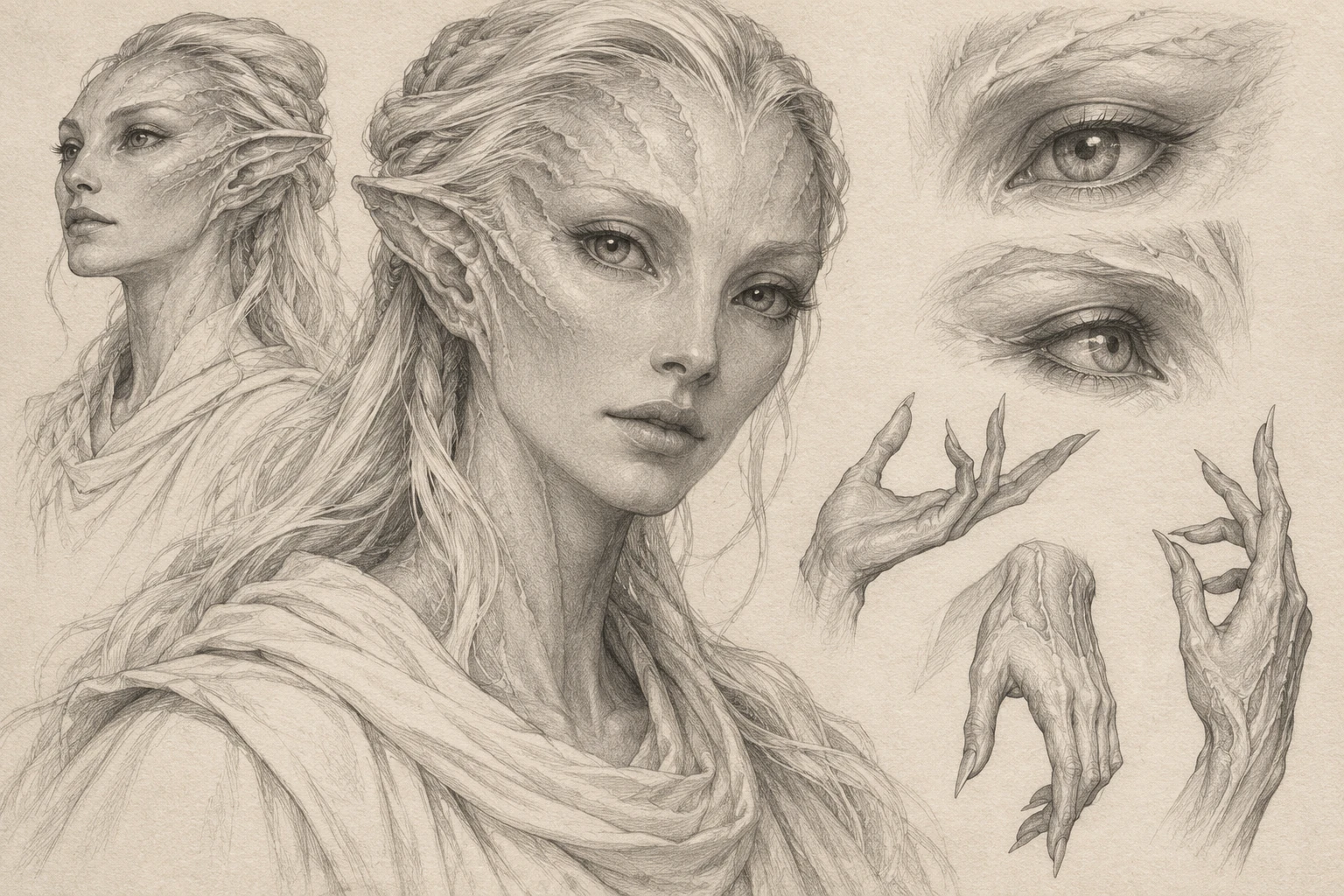
Why I opened the journal
I am sharing these pages because keeping them private had begun to change them. Alone, I could polish the uncertainties away without anyone noticing. A public journal asks me to be more careful. It asks me to show the spaces where I do not know and to resist giving every memory the certainty of a photograph.
Dreamland is the name I gave that space between a familiar life and an unfamiliar sky. You can begin with the earliest memory, follow a particular visitor, or simply spend time with the drawings. I do not expect everyone to read them the same way. Curiosity is enough to start a conversation.
The pages are still unfinished. That is not a promise that the next entry will explain the last one. It is simply the state of the notebook on my desk: open, a little smudged, with a glass of water beside it and room left for whatever I can remember tomorrow.
Begin where the remembering began.
The first encounter →